What Is a School Assembly Magician and What Do They Do?
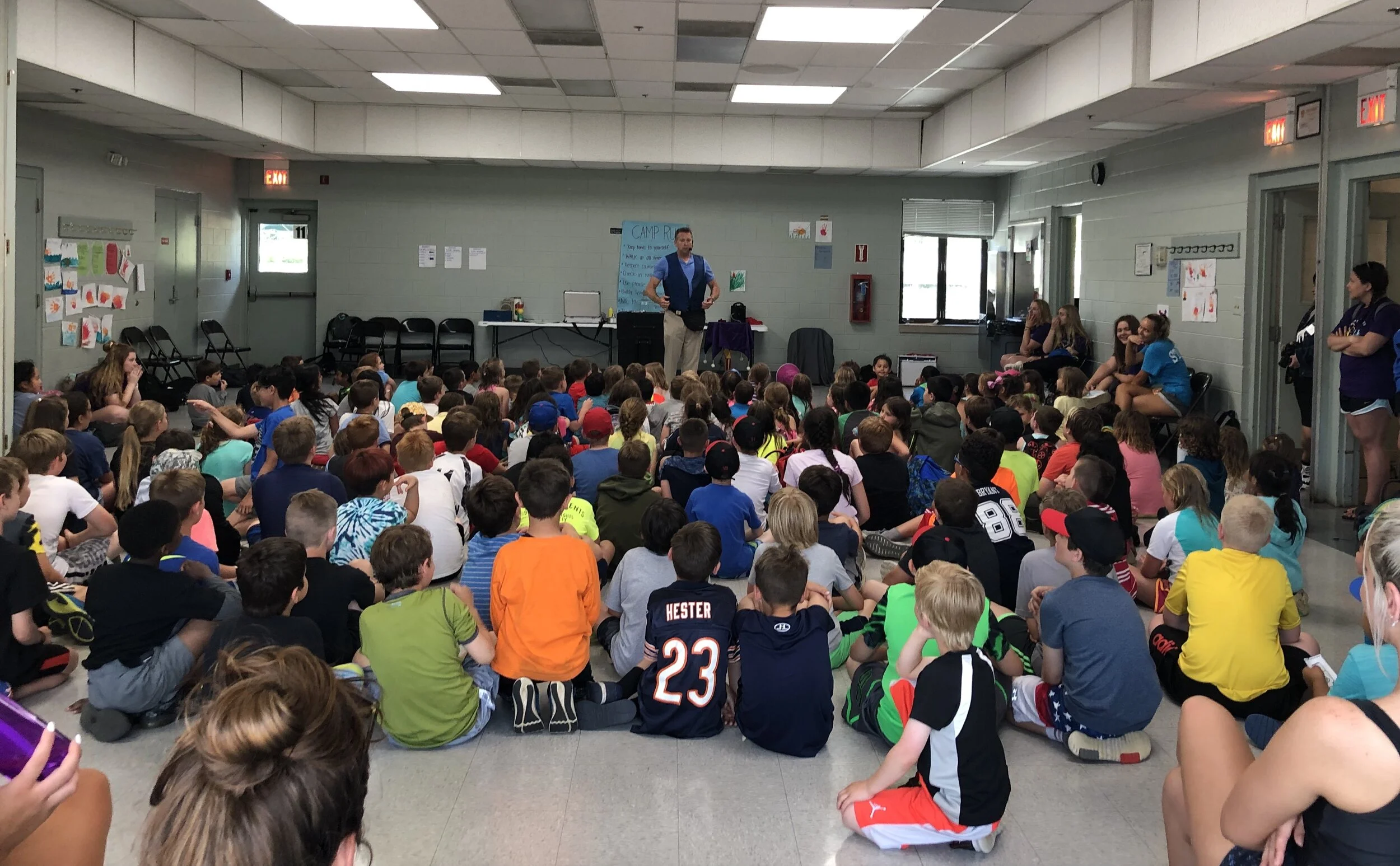
A school assembly has to do something ordinary classroom time cannot. It brings a large group of students together, gives them a shared experience, and creates a moment they will discuss long after they return to class. The challenge is finding a program that feels exciting to children while still being organized, appropriate, and useful for school staff.
A professional magician can meet that challenge by combining visual surprises, comedy, storytelling, and guided participation. Unlike a party act simply moved into a gym, a true school assembly performance is designed around grade levels, group size, school expectations, and the practical needs of a busy school day.
Quick Answer: A school assembly magician is a professional entertainer who performs an age-appropriate, interactive magic show for students in a school setting. They use magic, humor, storytelling, and audience participation to hold attention, create a positive shared experience, and sometimes reinforce themes such as kindness, safety, reading, or confidence.
What Does a School Assembly Magician Do?
A school assembly magician plans and delivers a show that works for a large student audience. The performer chooses effects that can be seen from the back of the room, keeps the pace moving, and gives students clear ways to participate without allowing the energy to become distracting.
The job begins before the first trick. The magician learns about the students, the room, the schedule, and the purpose of the event. Magic by Randy offers school and library magic shows that can be adjusted for age groups and can include comedy, storytelling, positive messages, and audience participation.
During the program, the magician serves as both performer and room leader. They invite reactions, select volunteers respectfully, keep transitions smooth, and read the audience in real time. If younger children need a quicker visual moment or older students need a stronger challenge, an experienced performer can shift the rhythm without making the adjustment obvious.
How Is a School Assembly Show Different From a Party Show?
A school assembly usually has a larger audience, a fixed time window, and a wider range of expectations than a private party. The show may take place in a gym, cafeteria, auditorium, library, or multipurpose room, and it must work within bells, announcements, lunch schedules, and limited setup time.
The material also needs to suit the whole group. Humor must be respectful, volunteers should never be embarrassed, and instructions have to be easy to follow. The strongest interactive Chicago magic shows make children feel involved while teachers remain comfortable with the tone and level of control.
A party performance often centers on one guest of honor. A school program centers on the community in the room. Individual volunteers still receive special moments, but the magician makes sure the students watching feel included through call-and-response moments, predictions, group choices, and shared surprises.
How Does a Magician Keep Students Engaged?
Students stay engaged when they always have a reason to wonder what happens next. A magician creates that focus by setting up a clear question, building anticipation, adding a comic turn, and revealing an outcome that seems impossible. The pattern changes often enough to prevent the show from feeling repetitive.
Participation is equally important. Students might make a choice, say a magic word together, hold a prop, or help complete an effect. These moments turn a room full of observers into an active audience. They also explain why schools book magicians for reward days, celebrations, family nights, reading programs, and special assemblies.
Good audience management never feels like discipline. The performer establishes simple expectations early, gives students safe ways to release their excitement, and quickly brings the room back to attention. That balance lets the laughter stay energetic without disrupting the program.
Can a Magic Assembly Support a School Theme?
Yes. A magic assembly can support a theme when the message is woven into the performance instead of added as a lecture between tricks. Safety, kindness, anti-bullying, reading, responsibility, and confidence are common examples, but the school and magician should agree on the language before the event.
Magic works best as a memorable frame for the idea, not as a replacement for instruction from teachers or school leaders. A repeated phrase, visual transformation, or student choice can give children a simple image that helps the theme feel concrete. The site explains that positive-message magic effects can be built into school programs while keeping the show entertaining.
The school should share its goal in plain terms. If the assembly celebrates reading, for example, the performer can use stories and curiosity as connecting ideas. If the event supports kindness, volunteer moments can model listening, encouragement, and respectful participation.
What Ages Can a School Magician Entertain?
School magic can work from preschool through middle school and beyond, but the same show should not be used unchanged for every age. Younger students respond well to clear visuals, playful repetition, simple stories, and frequent participation. Older students usually prefer faster pacing, stronger mysteries, and humor that respects their growing independence.
When a school includes a wide age range, dividing students into two performances can produce a better result. Each group receives material, language, and pacing that fit its attention level. Magic by Randy notes that Magic Mania is designed for ages four and up, while the Magic Teach-In format is intended for ages nine and up.
Experience with different rooms matters as much as the tricks themselves. Randy's communications and improv background supports the timing, clear speaking, and flexibility needed when hundreds of students react at once or a schedule changes unexpectedly.
What Happens During a Typical School Magic Assembly?
A typical program begins with a strong visual effect that establishes the magician's personality and the audience rules. The middle of the show expands into larger routines, stories, comedy, and volunteer moments. The ending usually brings the whole audience together for one memorable effect or message.
The exact length depends on age and schedule, but many assemblies fit within one class period. A focused show is usually more effective than a long program that stretches attention. If the event includes a teaching component, the performance and instruction should have clear boundaries so students know when to watch and when to practice.
Randy's school options include an interactive Magic Mania program and a Magic Teach-In that combines a performance with a beginner-friendly magic class. The combination illustrates what makes school magic work: students get surprise, laughter, and a structured opportunity to take part.
What Should Schools Look for When Choosing a Magician?
Schools should look beyond a performer who can do impressive tricks. The right person must understand children, communicate clearly with staff, arrive prepared, and keep a large group involved without relying on embarrassing humor or unsafe participation.
Useful signs of a good fit include:
• Regular experience with school, library, camp, or family audiences
• Material matched to the grade levels in attendance
• Clear information about show length, setup, sound, and space
• Professional communication, scheduling, and required paperwork
• References or reviews from comparable organizations
Past results cannot guarantee what every audience will feel, but feedback from school organizers can show whether a performer is dependable, engaging, and comfortable with children. Schools should pay attention to comments about age fit, audience management, communication, and the experience of teachers as well as students.
How Should a School Plan for the Performance?
Simple planning helps the magician deliver a stronger show. The coordinator should provide the event date, arrival window, performance time, grade levels, expected audience size, room type, parking or loading instructions, and the name of an on-site contact.
What to Tell the Magician
Mention the reason for the assembly and any message the school wants included. Share whether students will sit on chairs, bleachers, or the floor, and whether the room has a microphone, sound system, outlets, or a raised stage. If the program must end before a bell, state the firm finish time.
What to Prepare on Event Day
Reserve a clear performance area and keep students far enough from props to protect sightlines. Reduce foot traffic through the room, assign staff to supervise seating, and allow the performer the agreed setup time. These practical choices help the assembly begin calmly and finish on schedule.
A short conversation about the date, grade levels, audience size, and venue is the best way to confirm availability and identify the right program. It also gives the school an opportunity to request a quote, invoice, W-9, or other paperwork required by its purchasing process.
When Is a School Assembly Magician a Good Fit?
A magician can be a strong fit when a school wants one program that brings students together without requiring complicated scenery or a long rehearsal. Common occasions include reward days, reading celebrations, end-of-year events, summer programs, PTA family nights, fundraisers, and themed assemblies.
The choice is especially practical when the audience includes children who engage in different ways. Some will volunteer immediately, while others prefer to watch and solve the mystery from their seats. A well-designed show gives both groups a way to enjoy the experience.
The best decision comes from matching the format to the goal. A performance-only assembly prioritizes pace and shared fun. A teach-in adds a guided learning element. A family-night show uses humor and material that can entertain students, parents, and teachers together.
Frequently Asked Questions
How long is a school assembly magic show?
Many school magic shows fit within 40 to 60 minutes, although the best length depends on student ages and the school schedule. Confirm the exact running time, setup window, and firm finish time before booking.
Can one show work for every grade level?
Sometimes, but a very wide age range may be better served by separate shows. Dividing younger and older students allows the magician to adjust language, pacing, humor, and the difficulty of the magic.
Do students participate in the performance?
Yes, audience participation is a central part of many school magic shows. A professional performer uses volunteers and whole-group responses in a controlled, respectful way, without pressuring or embarrassing students.
Can the assembly include an educational message?
Yes, themes such as kindness, safety, reading, or anti-bullying can be incorporated into suitable routines. The message should be agreed in advance and kept simple enough to support the school's wider program.
What space does a school magician need?
Needs vary by show, but most performers require a clear area, reliable access to power when sound is used, and unobstructed sightlines. The coordinator should describe the room and seating plan before the event.
Conclusion
A school assembly magician does much more than perform tricks. The right professional organizes a clear, age-appropriate program that combines magic, laughter, storytelling, and participation while fitting the school's schedule and goals.
Magic by Randy brings decades of Chicago-area performance experience to schools, libraries, and family audiences. Schools planning an upcoming assembly can reach out to discuss the grade levels, theme, space, and program that would fit their students.